About

Kayiranga Jean-Léonard Kagabo is a genocide survivor, author, and educator who shares his journey from trauma to healing, inviting readers and audiences into deeper conversations about memory, forgiveness, and the dignity of every human life.


A simple, elegant wooden lectern on a small, raised stage in a modern auditorium, its surface smooth and warmly toned, with a single glass of water and a closed, unbranded manuscript on top. Rows of empty, soft-gray upholstered seats stretch into a gently blurred background, suggesting an inclusive space ready for an audience. Overhead, diffused stage lighting casts a warm, even glow on the lectern, creating soft, reassuring shadows. Shot in photographic realism from a slightly low, centered angle, the composition emphasizes the lectern as a symbol of voice and resilience, evoking quiet anticipation, professionalism, and a message of hope without any sensational elements.
An open hardcover book lying on a light oak table, its cream pages filled with neat, unidentifiable printed text, with a thin, sky-blue ribbon bookmark trailing across the surface. Beside it, a small, potted green plant with fresh leaves and a ceramic mug of herbal tea send a subtle hint of comfort. In the background, a large, softly blurred window lets in diffused afternoon light, illuminating floating dust motes. Photographic realism, shot from a slightly elevated angle using the rule of thirds, giving the book prominence while maintaining air and space. The mood is gentle, contemplative, and hopeful, suggesting healing through storytelling and reflection without referencing trauma directly.

Speaking

Invite Kayiranga to speak at universities, conferences, faith communities, and schools on genocide, resilience, reconciliation, restorative justice, and the healing power of personal testimony.

Events

A minimalist writer’s workspace featuring a slim, silver laptop partially open on a matte black desk, next to an unbranded, leather-bound journal and a stack of neatly arranged printed pages clipped together. A small desk lamp with a fabric shade casts warm, focused light across the papers, creating gentle gradients of shadow and light. The background fades into a softly blurred bookshelf filled with neutral-toned spines and a single green plant. Photographic realism, captured at eye level with a moderate depth of field, conveys a disciplined, professional environment where ideas about memory, courage, and resilience are shaped into speeches and books, with a calm, organized, and accessible atmosphere.

McKinney

Lecture on memory, justice, and reconciliation following the Rwandan genocide, hosted by IU McKinney School of Law.
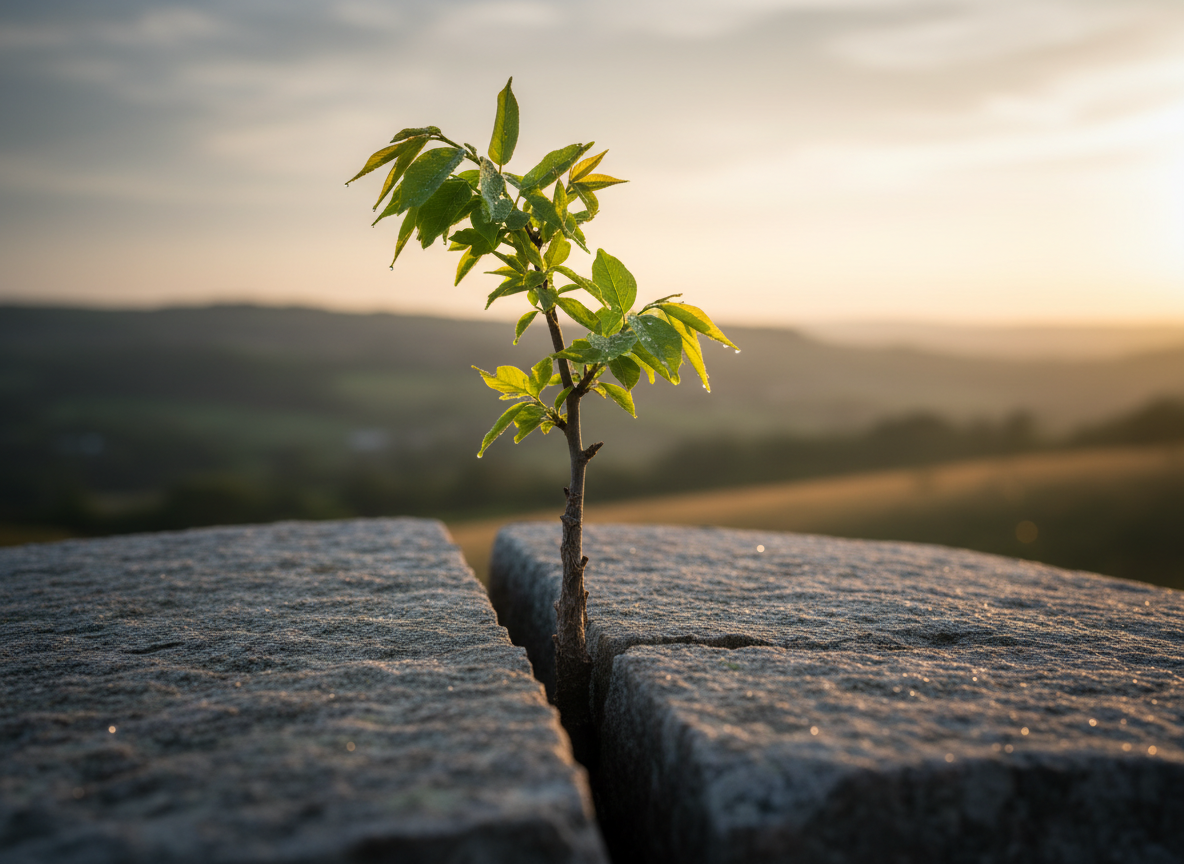
A symbolic still life of resilience: a single, young tree growing from the crack of a weathered stone surface, its slender trunk and bright green leaves sharply detailed. In the background, a softly blurred landscape transitions from shadow into warm, golden late-afternoon light, suggesting movement from hardship toward hope. Dew on the leaves catches the light, forming tiny highlights. Photographic realism, shot from a low angle that elevates the tree against a soft sky, with the composition using the rule of thirds to emphasize upward growth. The mood is quietly powerful and inspiring, subtly echoing themes of survival, memory, and renewal without any dark or graphic elements.

Webinar

Online conversation about Angels on My Path, resilience, and hope, with live audience Q&A and educator resources.

Testimonials

Hope D.

This memoir opened my students’ eyes to the human cost of genocide and sparked some of our most honest discussions.

Hope D.

Hearing Kayiranga speak about forgiveness and justice transformed our event from a lecture into a deeply personal encounter with hope.

Hope D.

Angels on My Path is a courageous, compassionate work that helps readers hold both unbearable suffering and enduring faith together.

Hope D.

Our community left Kayiranga’s presentation moved to action, committed to confronting hatred and building more just, compassionate relationships.

A close-up of a vintage-style microphone on a slim black stand, its metal grille finely textured and reflecting subtle highlights, positioned center stage against a backdrop of softly draped dark-blue curtains. A warm spotlight from above and slightly to the side creates a gentle halo on the microphone and a soft pool of light on the stage floor, fading into darkness at the edges. Photographic realism, captured from a slightly low, cinematic angle with shallow depth of field, leaving the curtains softly blurred. The atmosphere feels intimate yet professional, suggesting a thoughtful speaking engagement where stories of courage and hope are shared with care and respect.
A thoughtfully arranged reading corner with a plush, charcoal-gray armchair facing a small round wooden side table holding a closed, unbranded book and a pair of simple reading glasses. A tall floor lamp with a linen shade casts soft, warm light that pools around the chair, leaving the rest of the room gently dim. Behind, a bookcase with orderly rows of neutral-colored spines and a few green plants fades into a gentle blur. Photographic realism, shot at eye level with a welcoming, open composition. The mood is calm, inviting, and safe, ideal for intimate author events or quiet reflection on stories of healing and memory.
An overhead photographic view of a large, unbranded notebook spread open on a pale birch table, its pages filled with neatly organized headings and bullet points, suggesting a carefully structured speech. Several pastel-colored sticky notes, each blank but distinct, are placed around the notebook, along with a simple black pen and a small analog timer. Soft, natural daylight from an unseen window creates clear, readable contrast and avoids harsh shadows, ensuring a clean, accessible feel. The composition is tidy and balanced, evoking clarity, preparation, and intentionality in public speaking, with a professional, hopeful mood that emphasizes constructive storytelling and audience care.

Contact form

Reach out to request a speaking engagement, share how the memoir impacted you, or connect about educational collaborations.

← Back

Thank you for your response. ✨

Newsletter

Receive updates on events, new writing, and resources.